
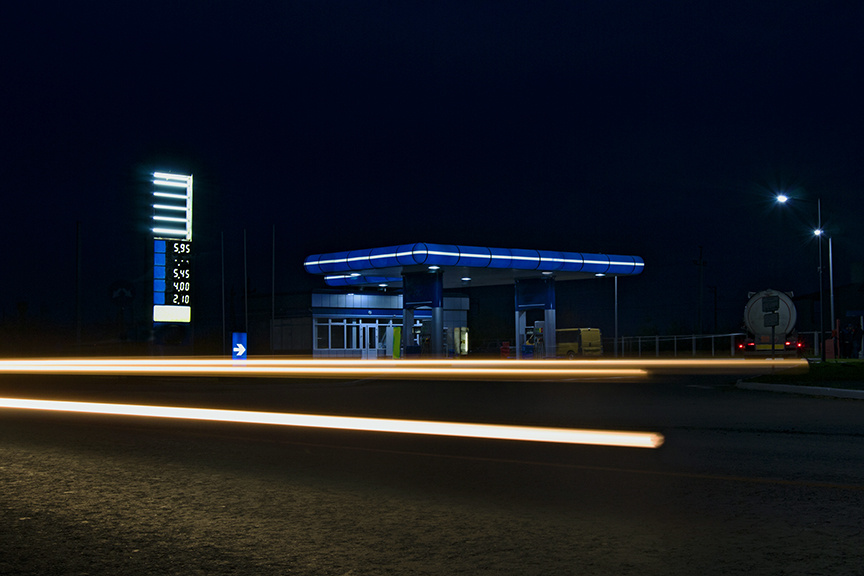
One of the strangest misconceptions surrounding independent touring is how often people underestimate the cost of simply existing while traveling. Audiences see the performance. They see the lights, the stage, the merch table, the social media photos, and the excitement surrounding the event itself. What they usually do not see is the quiet math happening before and after every show — the constant calculation of fuel, meals, lodging, parking, tolls, maintenance, and whether the next city is financially reachable without pushing the entire operation into deeper instability.
For many independent artists, touring is less about luxury than basic survival logistics repeated every single day.
A local show may already involve fuel costs, parking fees, and hours away from regular employment. But once touring extends across cities or states, the economics shift dramatically. A band traveling several hundred miles is no longer simply “playing a gig.” They are managing transportation infrastructure, time management, scheduling, inventory movement, personal endurance, and financial risk simultaneously.
Fuel alone has become one of the defining pressures of modern touring. Large vans, trailers, buses, and heavily loaded vehicles rarely achieve efficient mileage, especially when carrying full backline equipment, merchandise, lighting, drums, amplifiers, and production gear. Long-distance drives through mountain regions, major cities, or stop-and-go traffic increase consumption further. Even carefully routed tours can become vulnerable to fluctuating gas prices and unexpected detours.
For independent artists operating without large financial backing, every fuel stop becomes part of a larger conversation:
How much did the last show actually contribute to getting everyone to the next one?
That question sits quietly in the background of countless tours.
The same pressure exists with lodging. Hotel costs have risen significantly over the past several years, particularly near major cities, event districts, and high-traffic touring corridors. While established acts may budget accommodations into tour expenses, smaller independent artists often find themselves forced into increasingly difficult decisions: drive overnight without proper rest, sleep in vehicles, overcrowd hotel rooms beyond comfort or safety, rely on unstable couch arrangements, or absorb costs that quickly erase performance income.
There has long been a mythology surrounding “sleeping in the van” within music culture, almost as though discomfort itself validates artistic commitment. But for many touring artists, these conditions are not adventurous lifestyle choices. They are economic compromises made because the margins surrounding independent live performance have become increasingly narrow.
The physical consequences accumulate quietly. After enough consecutive nights without proper sleep, the quality of decision-making changes. Concentration weakens. Driving becomes more dangerous. Communication inside the band deteriorates. Physical recovery slows. Performance quality suffers. Even basic emotional resilience becomes harder to maintain when people are operating continuously in survival mode.
Food presents another challenge that outsiders often underestimate because eating feels ordinary. At home, meals can be planned economically. On tour, schedules rarely cooperate with healthy or affordable routines. Many artists spend entire days moving between load-ins, soundchecks, traffic, merch setup, and late-night departures, leaving few practical opportunities for balanced meals. Fast food, gas station snacks, skipped meals, and irregular eating patterns become normalized simply because convenience overtakes long-term health planning.
The issue is not merely nutrition. It is cumulative exhaustion.
A musician functioning on poor sleep, inconsistent meals, financial anxiety, dehydration, and constant movement is still expected to perform with energy, professionalism, and emotional presence every night. Audiences naturally focus on the ninety minutes on stage. The artist experiences the remaining twenty-two hours surrounding it.
Touring also creates invisible economic losses that are harder to quantify publicly. Independent musicians frequently lose income from regular employment while traveling. Freelance work pauses. Side jobs disappear temporarily. Family responsibilities become harder to manage. Bills continue arriving regardless of whether attendance numbers were strong in the previous city. For many artists, the actual financial cost of touring extends far beyond the visible expenses attached directly to the road itself.
This reality becomes especially difficult because independent touring often exists inside a culture that rewards appearance over transparency. Social media tends to flatten experiences into highlight reels. Artists post sold-out photos, backstage images, and crowd videos because promotion matters and optimism drives engagement. Meanwhile, the quieter realities remain mostly invisible: calculating whether the van can survive another thousand miles, splitting one hotel room between multiple exhausted people, stretching food budgets until the next payout, or debating whether merch inventory can be reordered before the next run.
None of this means touring lacks value. Touring remains one of the most important ways independent artists build authentic audience connection. Songs become real in front of people. Local supporters become long-term listeners. Bands strengthen their chemistry through shared experience. New markets emerge through persistence and reputation. Entire music scenes are built because artists were willing to travel and connect communities together through performance.
But meaningful does not automatically mean sustainable.
This distinction matters because many younger artists enter touring culture believing financial instability is simply part of “paying dues,” without fully understanding how quickly unmanaged touring expenses can create long-term problems. Credit card debt, vehicle breakdowns, health neglect, equipment damage, and emotional burnout often develop slowly enough that artists normalize them before recognizing the larger impact.
The conversation surrounding fair compensation in live entertainment cannot be separated from these realities. Performance guarantees, fair routing, honest communication, realistic scheduling, and professional treatment matter because they directly affect whether independent artists can continue functioning long enough to build careers at all.
At the same time, venues themselves are also operating under serious pressure. Rising operating costs, staffing shortages, insurance expenses, declining alcohol margins in some markets, inconsistent attendance patterns, and broader economic uncertainty have affected independent venues across the country. The live entertainment ecosystem is increasingly fragile on multiple sides simultaneously.
That is precisely why honest conversations matter more than romanticized narratives.
Artists do not need audiences to pity them for traveling. They need people to understand that touring is labor, infrastructure, planning, endurance, and financial risk operating beneath the performance itself. The music may be emotional, inspiring, or escapist for the audience, but behind every set is a chain of practical realities being managed in real time by people trying to keep both the art and themselves alive on the road.
Survival on tour is rarely dramatic in the cinematic sense. More often, it is a thousand small decisions repeated daily: whether to stop for food, whether the hotel is affordable, whether there is enough fuel to comfortably reach the next city, whether the vehicle sounds normal, whether the merch sales covered the night, whether everyone is holding up mentally, whether the run is truly helping the project move forward.
Those conversations are part of modern touring now.
Ignoring them does not make them disappear. Honest discussion about them is not weakness or negativity. It is part of building a healthier understanding of what independent live music actually requires from the people creating it.