
Music did not become disposable because people stopped loving it. That would be too simple, and it would not be true. People still organize their lives around songs. They still use music to remember who they were, survive difficult seasons, celebrate relationships, grieve losses, mark time, shape identity, and feel connected to something beyond ordinary routine. Music remains deeply meaningful to listeners.
What changed is the environment surrounding it.
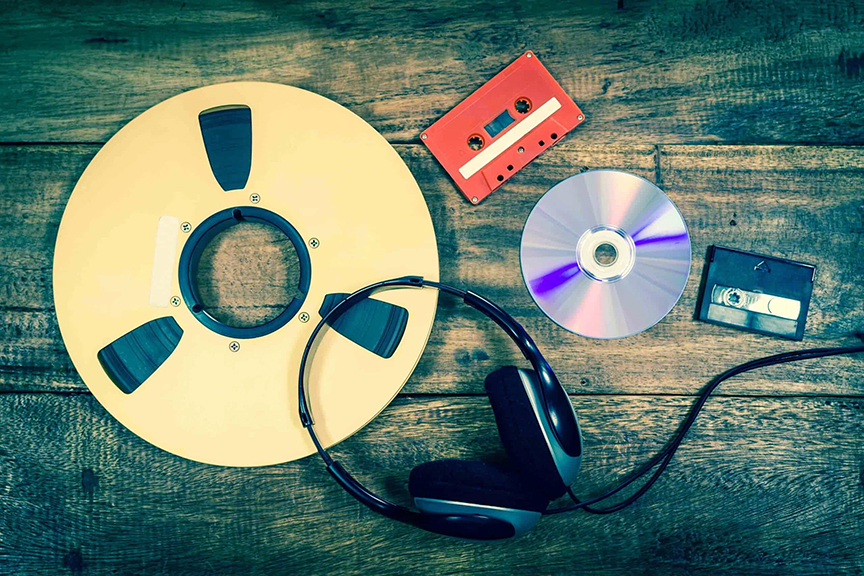
For most of modern history, music required some kind of deliberate action from the listener. A person bought a record, tape, CD, concert ticket, download, magazine, poster, or piece of merchandise. They went to a store, waited for a release date, borrowed an album, made a mixtape, called a radio station, collected liner notes, or attended a show because access required effort. That effort created weight. It made music feel chosen.
Now music is everywhere at once.
A listener can access more songs than any person could realistically hear in a lifetime, often for less than the cost of one physical album per month. That access is extraordinary. It has opened doors for discovery, preserved catalogs, connected global audiences, and allowed independent artists to distribute music without waiting for traditional industry permission. No serious conversation about modern music should ignore that benefit.
But abundance changes perception.
When every song is instantly available, the individual song can begin to feel less like an event and more like passing content. A listener may love a track for a week and forget the artist’s name the next. A song may appear between podcasts, ads, social clips, playlists, notifications, and background noise until it becomes part of a digital atmosphere rather than a focused experience. Music has not lost its emotional power, but the conditions around listening have made it easier to consume casually and discard quickly.
The numbers show how massive this shift has become. Luminate reported that global music streams reached 4.8 trillion in 2024, a 14% increase from the previous year, while U.S. on-demand audio streams reached 1.4 trillion. Recorded music revenues have also continued growing; IFPI reported that global recorded music revenues reached $31.7 billion in 2025, with streaming accounting for about 70% of global recorded music income. (AP News)
Those figures describe a world where music is consumed constantly. They do not describe a world where every musician is financially secure.
That distinction matters for working artists because the public often confuses access with support. Someone may stream a song, save it to a playlist, share a clip, or use it as part of their daily routine without ever understanding what it cost to create, record, release, promote, and perform. The listener’s relationship with the song may be real, but the economic relationship can remain almost invisible.
This is the strange contradiction of modern music. Songs can travel farther than ever while artists still struggle to pay for the work behind them.
The Music Industry Research Association’s survey of U.S. musicians, conducted with Princeton University Survey Research Center and MusiCares, found that professional musicians earned a median music-related income between $20,000 and $25,000, and 61% said their music-related income was not enough to meet living expenses. That research is not new, but it remains relevant because it captures the underlying problem still facing many artists: activity and income do not automatically move together. (Survey Research Center)
For artists, this can create a difficult emotional environment. You may have songs available everywhere, but still feel financially invisible. You may see listeners engage online without seeing enough income to fund the next recording. You may watch platforms celebrate growth while your own expenses remain immediate and physical. The industry may speak in billions, but your reality may be gas, rent, strings, rehearsal space, health care, mixing costs, merchandise invoices, and the anxiety of deciding whether the next show is worth the risk.
This is not a reason to reject streaming or digital discovery. It is a reason to understand the difference between being heard and being supported.
Music became easier to access, but not easier to make well. A song still requires skill, time, equipment, emotional labor, revision, recording, production, distribution, and often years of artistic development before it reaches the listener. A live performance still requires rehearsal, transportation, gear, physical stamina, communication, and the ability to connect under pressure. The fact that the finished work can appear instantly on a phone does not mean the labor behind it became instant.
That is where disposability becomes dangerous.
When listeners experience music as endless supply, they may forget that each serious artist is not endless. Artists burn out. Bands run out of money. Projects stall. Touring becomes unaffordable. Recording gets delayed. Gear breaks. Personal lives strain under unstable income. The song may remain available online forever, but the person who made it still has to survive in real time.
The same culture that gives artists access to global listeners also pressures them to keep feeding the system. Release more. Post more. Stay visible. Create clips. Build campaigns. Engage constantly. Turn private life into content. Respond to trends before they disappear. In that environment, music can stop feeling like a body of work and start feeling like fuel for platforms that always need something new.
For artists, resisting disposability does not mean withdrawing from the modern world. It means building value around the music again.
That begins with understanding that not every listener is the same. A passive stream has value, but it is not the same as a fan who buys a ticket, joins a mailing list, purchases merchandise, shares the music intentionally, brings a friend to a show, or returns to the work over time. A casual listener may discover you. A real supporter helps sustain you. The challenge is not simply reaching more people. It is giving the right people a reason to care more deeply.
Live performance remains powerful for this reason. A song heard in passing can become meaningful in a room. An artist who appears as one name among millions on a platform can become unforgettable when the audience experiences the human effort behind the sound. The live show restores context. It reminds people that music is not merely data, not merely background, not merely content, but a human exchange happening in real time.
That is why fair compensation and audience education belong in the same conversation. If music is treated as disposable, the labor behind it becomes easier to dismiss. If the labor is dismissed, underpayment begins to feel normal. If underpayment becomes normal, serious artists eventually leave, reduce activity, or are forced to build careers around survival instead of growth.
The damage is cultural as much as financial.
When music becomes disposable, audiences lose more than artists do. They lose local scenes that felt alive. They lose bands that could not afford to continue. They lose venues that stopped taking chances. They lose the slow development of artists who needed time. They lose the personal connection that comes from following someone’s work across years rather than encountering songs as disconnected fragments in an endless feed.
The solution is not nostalgia. The old industry had its own problems, and many artists were excluded from systems that digital access has helped open. The solution is not to pretend physical media alone was pure or that streaming alone is the enemy. The more useful conversation is about attention, value, and participation.
Artists need to build deeper relationships with listeners instead of relying entirely on platforms to define success. Venues need to help create experiences that make music feel present and worth showing up for. Audiences need to understand that support is active, not symbolic. Streaming a song can be a beginning, but buying a ticket, purchasing merchandise, sharing music intentionally, and showing up in person are the actions that help keep artists working.
For the artist, the task is difficult but not hopeless. You cannot control the entire culture of disposability. You can control how clearly you value your own work, how deliberately you build relationships, how seriously you treat your live performance, and how honestly you communicate what support makes possible. The goal is not to guilt people into caring. The goal is to remind them that music becomes stronger when it is treated as something made by people, not something endlessly generated by the air around us.
Music became disposable when access became effortless and attention became fragmented. But it can become meaningful again every time an artist creates a real connection, every time a listener chooses to support intentionally, and every time a room fills with people who understand that live music is not background content. It is labor, memory, culture, and human presence made audible.