
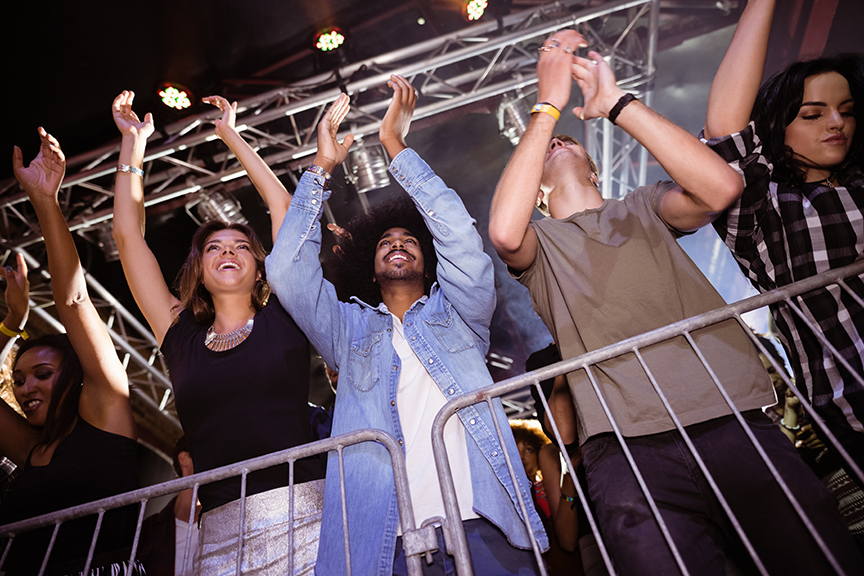
For many independent artists, the idea of building a career can become too abstract too quickly. The mind jumps from local shows to national touring, from a first release to industry attention, from small rooms to large opportunities that feel far away from the reality of the current calendar. That kind of ambition is natural, and sometimes necessary. But most durable music careers are not built by skipping over the region around the artist. They are built by learning how to turn nearby cities, repeat rooms, small clusters of fans, and regional relationships into something strong enough to support the next step.
Regional audience support matters because it turns scattered activity into a foundation.
A local audience is important, but a purely local career can eventually become too narrow if the artist wants to grow beyond one scene. National attention is powerful, but it is difficult to sustain if there are no smaller markets where real people are already showing up. Regional development sits between those two realities. It gives artists a practical bridge between hometown recognition and broader touring.
This is where many artists misunderstand growth. They may assume the next step is to play as many distant cities as possible, as soon as possible, because touring looks like proof of seriousness. But touring without regional support can become financially punishing very quickly. A band that cannot draw consistently within a few hours of home may struggle even more when fuel, lodging, food, vehicle wear, and missed work begin multiplying across longer distances. The road has a way of exposing whether audience development is real or mostly imagined.
A 2025 Ditto Music survey of 1,500 independent artists found that 82.1% of global unsigned musicians said they could not afford touring costs, and 58.3% had turned down touring opportunities for financial reasons. That does not mean artists lack ambition. It means the economics of travel require more than hope. Regional support helps reduce some of that risk because it allows artists to build repeatable markets before attempting larger routes. (Survey Research Center)
A strong regional base gives an artist information. It shows where the music is connecting, which rooms fit the project, which cities are worth returning to, which lineups help attendance, which fans bring friends, and which shows create enough energy to justify continued investment. Without that information, touring decisions become guesswork. With it, an artist begins moving with purpose.
That purpose matters because live performance is not only about being seen. It is about being remembered.
An artist may play a new city once and leave a good impression, but audience support usually deepens through return. The second show matters differently than the first. The third show begins revealing whether the connection has roots. People who discovered the artist once need a reason to come back, bring someone else, buy merchandise, follow the release schedule, and feel as though they are part of the project’s growth rather than casual observers passing through one night.
Regional growth often begins in modest rooms. That can be frustrating for artists who want visible momentum quickly, but modest rooms are where the truth is easiest to see. A small room with real attention is more valuable than a larger room full of indifference. A packed fifty- or hundred-capacity venue can create more confidence, better energy, stronger footage, and more meaningful word-of-mouth than a scattered crowd in a room chosen for appearance rather than fit.
This is not thinking small. It is thinking accurately.
Independent venues are a crucial part of that regional development because they provide the spaces where emerging artists can become stronger before larger opportunities arrive. The National Independent Venue Association’s 2025 State of Live study found that independent venues, promoters, and festivals generated $153.1 billion in total economic output in 2024, yet 64% of independent stages operated without profitability. Those numbers show how important these rooms are and how fragile many of them remain. Artists who build real regional audiences help make those rooms more viable, while venues that support developing artists help keep regional music ecosystems alive. (National Independent Venue Association)
That relationship is not automatic. It has to be earned on both sides.
Artists build regional support by treating each market like more than a stop on a route. A city is not simply a dot between two other cities. It is made of venues, local bands, promoters, record stores, college radio programmers, photographers, writers, fans, rehearsal spaces, small businesses, and people who may be willing to care if the artist gives them a reason to. When artists approach a region with curiosity instead of entitlement, the work becomes more human and more effective.
This is where local collaboration becomes important. A touring artist who connects with compatible regional bands is not only filling a bill. They are entering an existing community with its own relationships and audience habits. When that connection is respectful, it can create stronger nights for everyone involved. The visiting artist gains context. The local artist gains a meaningful bill. The venue sees a healthier room. The audience experiences a show that feels connected rather than assembled randomly.
Regional support also depends on consistency. An artist who appears once every few years may be remembered fondly but not urgently. An artist who returns too often without growth may exhaust the market. The balance is learned through attention. Artists need enough presence for audiences to feel a continuing relationship, but enough restraint for each return to feel like an event. That balance changes by market, genre, venue size, audience age, ticket price, and how actively the artist communicates between shows.
This is why regional development requires patience. It is not a single promotional campaign. It is the slow conversion of unfamiliar rooms into familiar ones.
Digital tools can help, but they do not replace the work. Bandsintown says more than 90 million fans use its platform to discover live music and follow artists, which shows how important concert discovery tools have become in connecting listeners to real-world events. But discovery is only the beginning. A fan seeing a listing still has to care enough to attend. A platform can notify people that the artist exists; it cannot create the emotional bond that makes someone leave home on a weeknight, buy a ticket, and stand in the room. (Bandsintown for Artists)
That bond is built through repeated trust.
Artists should understand that regional support is not only measured in attendance. It is measured in the quality of return. Are people coming back? Are they bringing others? Are they staying after the set? Are they buying merchandise? Are they following the next release? Are venues willing to rebook with greater confidence? Are local artists willing to share stages again? Are audiences beginning to recognize the artist as part of the wider regional culture rather than an unknown visitor?
Those are the signals that matter because they point toward sustainability.
The financial reality of music makes this kind of support essential. The Music Industry Research Association’s survey of U.S. musicians, conducted with Princeton University Survey Research Center and MusiCares, found that the median musician earned between $20,000 and $25,000 from music, and 61% said music-related income was not enough to meet living expenses. For artists operating inside that kind of uncertainty, regional support is not just about pride or visibility. It can be the difference between touring responsibly and taking losses that weaken the project over time. (Survey Research Center)
A regional audience can help stabilize the artist’s world. It can create reliable weekend runs instead of desperate long-distance touring. It can support merchandise sales without forcing the artist immediately into national overhead. It can give a band confidence before approaching larger opportunities. It can help prove to venues and promoters that the project is not only active online but capable of moving people into rooms.
That distinction matters more than ever.
Social media can create the appearance of reach, but regional audiences prove physical commitment. Streaming data can show where people listen, but ticket sales show where people are willing to participate. Online visibility can introduce an artist, but regional support turns introduction into relationship. The working artist needs both, but the live music economy still depends heavily on human beings showing up in specific places at specific times.
For artists, building regional support also changes the emotional experience of performing. Playing to strangers has value, but returning to a city where familiar faces begin appearing creates a different kind of confidence. The room feels less accidental. The artist begins to understand the audience’s energy. The audience begins to feel involved in the artist’s growth. That shared memory becomes part of the career itself.
There is no shortcut to that kind of support. It is built through strong performances, honest communication, professional reliability, thoughtful routing, respectful collaboration, and enough repetition for people to believe the artist is not merely passing through. It grows when artists treat fans like relationships rather than numbers, venues like partners rather than obstacles, and cities like communities rather than map points.
Regional audience support does not guarantee national success. Nothing does. But it gives artists something far more useful than fantasy: evidence. Evidence that people care. Evidence that rooms can grow. Evidence that the music can travel. Evidence that the next step has a foundation beneath it.
For independent artists trying to build sustainable careers, that foundation is often where real growth begins.